History of the Gardens
Before the New Town was built the area that is now Queen Street Gardens was fields. A stream in the area fed a pond known as Farmer Wood's cattle pond.
In the 1767 masterplan of the first New Town, James Craig proposed open spaces to the north of Queen Street. These spaces resembled the ones on the opposite side of George Street, which later became Princes Street Gardens.
When the second New Town was built the land descending north at the east end of Queen St was mostly laid out as orchards and gardens. The middle section fared less well. The fields were used by washerwomen to wash and dry clothes, as a holding place for cattle waiting slaughter and as a pig farm.
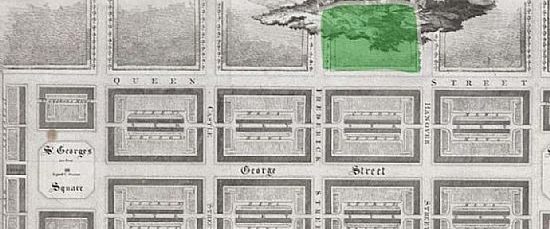
1822
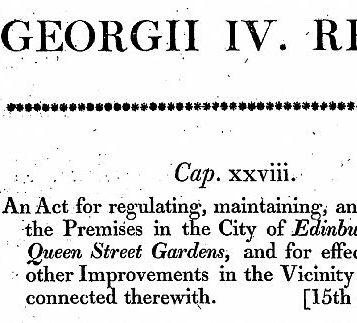
In 1822 the property owners in the west part of Heriot Row and opposite side of Queen Street joined forces to buy the land, which is now Central Gardens. Their aim was to provide a green space for residents and prevent the land from being used for commercial purposes.
This is an interesting precursor to what we now call a community buyout. The purchase was not cheap. The proprietors had to borrow to cover the cost and it took them years to pay off the loan. They also committed themselves to the, not inconsiderable cost of laying out the gardens and maintaining them. Their successors now jointly own the land, have access to it, and collectively cover the maintenance costs.
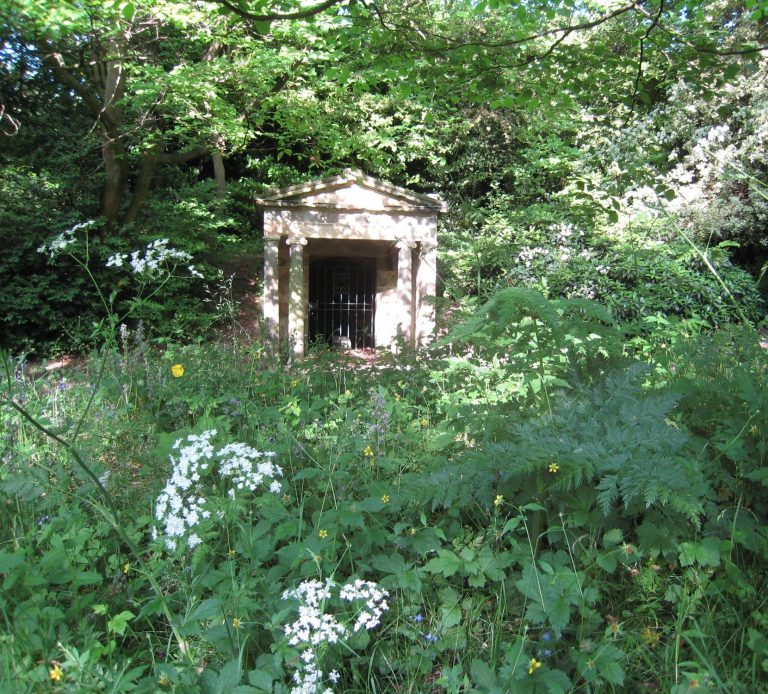
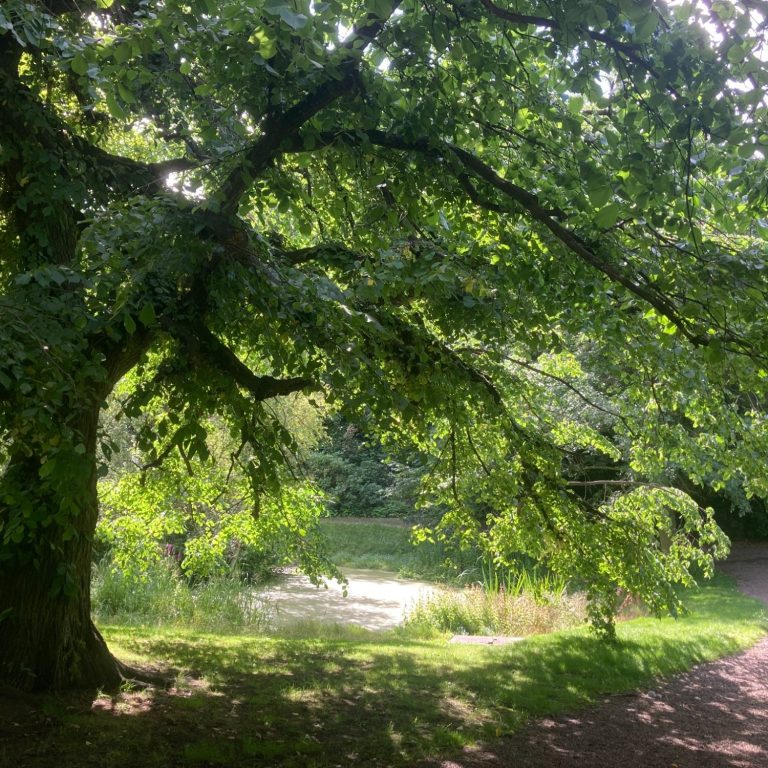
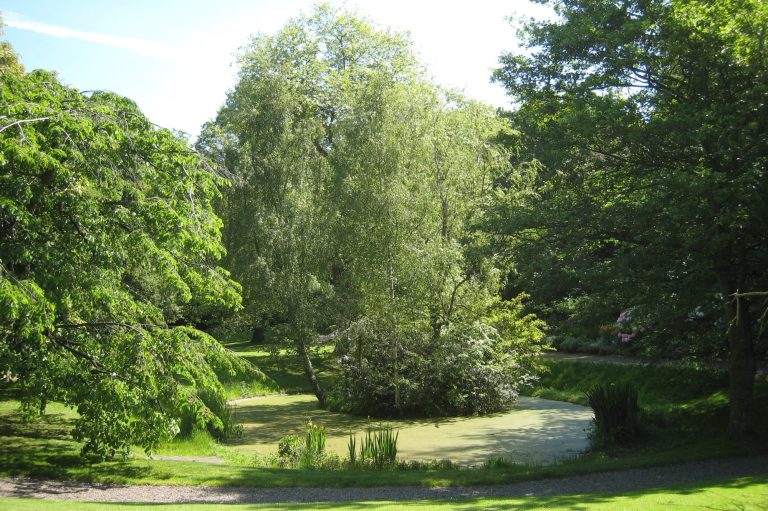
Andrew Wilson (1780-1848), an eminent Scottish landscape artist involved in the designing of Hopetoun House's grounds, designed the gardens. Wilson created a small version of a romantic landscape, utilising the natural valley, winding paths, and a pond with an island. The layout of the gardens has remained largely unchanged since Wilson's original design, although the planting has evolved as the trees have grown.
Wilson designed a small Grecian temple folly, which cost £47. It was intended to become an entrance to a tunnel under Hanover Street, connecting to the East Gardens, but this tunnel was never built.
Governance
Proprietors pay for the upkeep of the gardens. The gardens are managed on a voluntary basis by six Commissioners who are proprietors.
2025
Discover the gardens
Discover more about some of the fascinating features in the gardens
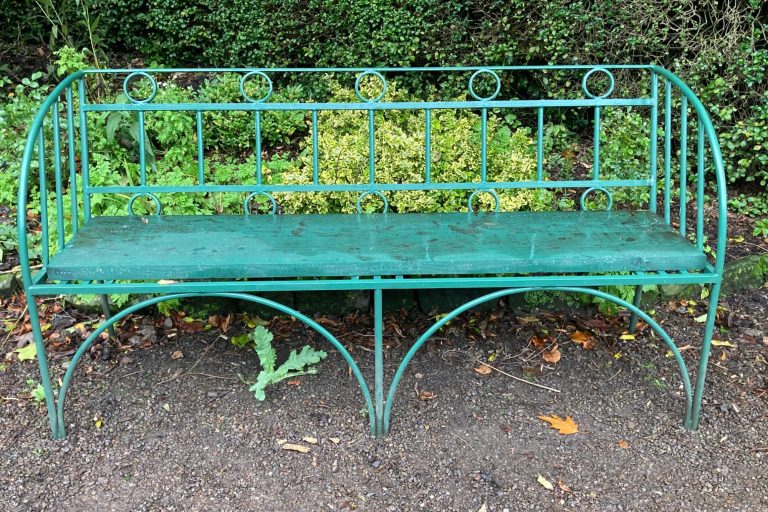
Benches
Enhancing the garden's charm, four meticulously crafted benches, handmade by a skilled blacksmith in the 19th century, offer a nostalgic nod to bygone eras. These unique seats not only provide a timeless allure to our garden but also share a kinship with two counterparts gracing other New Town Gardens—one in Queens St West and another in the Moray Feu Gardens. Their enduring craftsmanship and shared legacy weave a thread connecting our serene space with the broader historical tapestry of New Town, creating inviting spots for reflection and appreciation of the past.
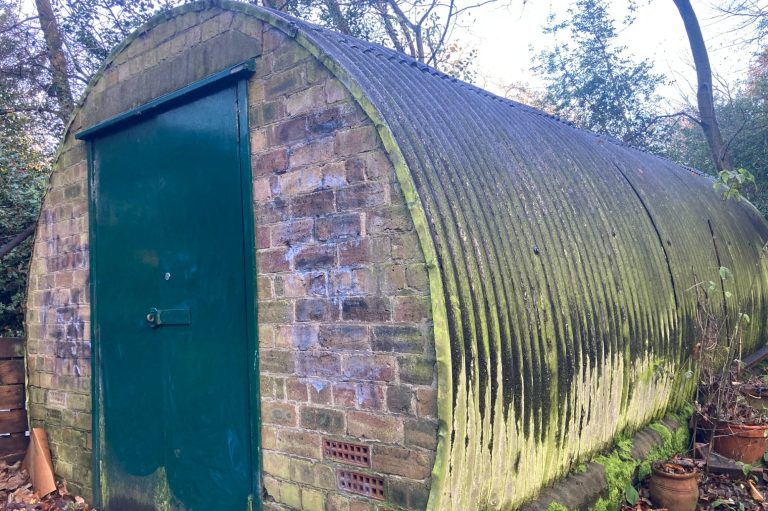
The Nissan Hut
A notable 20th-century inclusion in the gardens, the Nissen Hut, constructed during the 1939-1945 period, stands as a resilient prefabricated structure made of corrugated iron. Today, it fulfills a dual role as an occasional storage space and a charming garden shed, echoing its wartime origins while contributing to the gardens' practical functionality. In its enduring presence, the Nissen Hut encapsulates a tangible link to the past, narrating a story of wartime necessity transformed into a unique and functional element of the contemporary garden landscape.
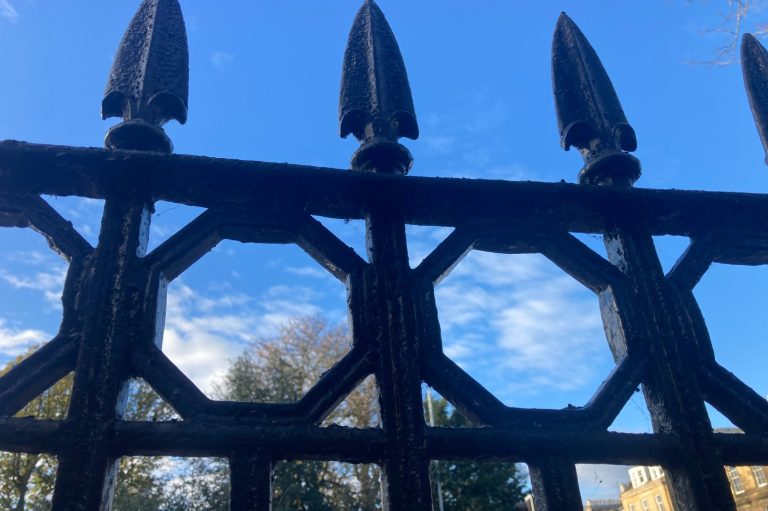
The Railings
Standing resilient against the tests of time, the original Georgian iron railings gracefully encircle three sides of the Central Gardens. A testament to enduring elegance, these historic barriers not only define the garden's periphery but, with the exception of the Heriot Row side, survived the wartime demands that claimed many of Edinburgh's iron railings. They weave a narrative of permanence, embodying the spirit of an era that valued both aesthetics and resilience.
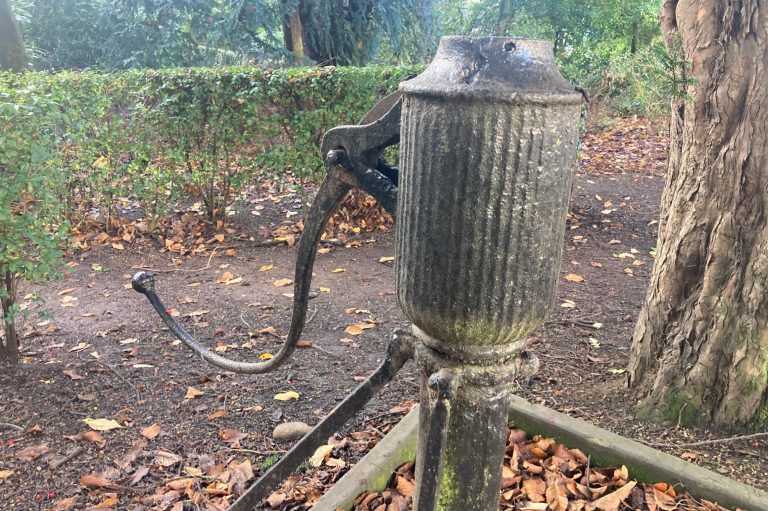
Georgian water pump
Nestled in a corner by the west gate, the Victorian water pump stands as a historic reminder of a bygone era. This relic once quenched the thirst of generations. Long since defunct it adds a touch of charm to the garden's rich history.
The well
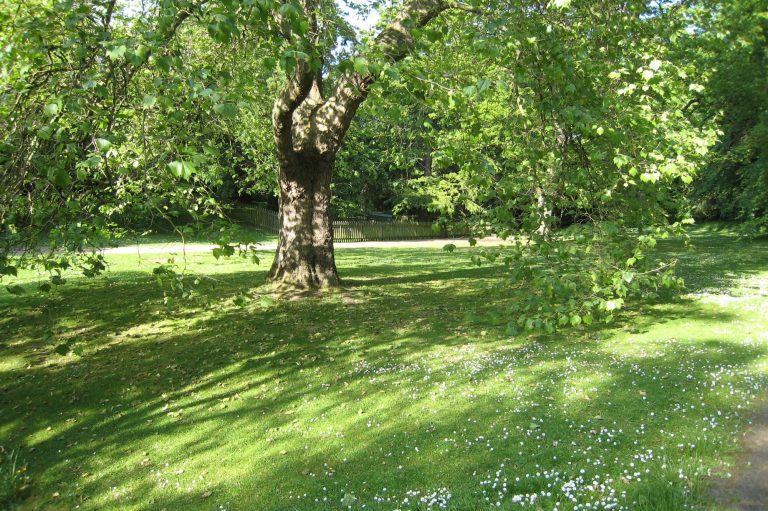
Long before they were gardens, the land was used as a washing green. Old maps reveal that our gardens once harbored a well. Though now discreetly covered, the well stands as a testament to the lifeline it once provided to the community. While the well's physical presence may be obscured, its legacy endures, contributing to the rich narrative woven into our garden's tapestry.
The Pond
Nestled within the gardens lies a captivating pond, with an enchanting island at its heart. Legend has it that this island, a muse to the young Robert Louis Stevenson, fueled the imagination of the famed author during his playful escapades in these very gardens. Let the pond inspire your own imagination amidst the natural beauty that graces our timeless oasis